When it comes to data storage, security is the name of the game. Companies spend a ton of money every year making sure the data entrusted to them remains safe from being stolen or compromised.
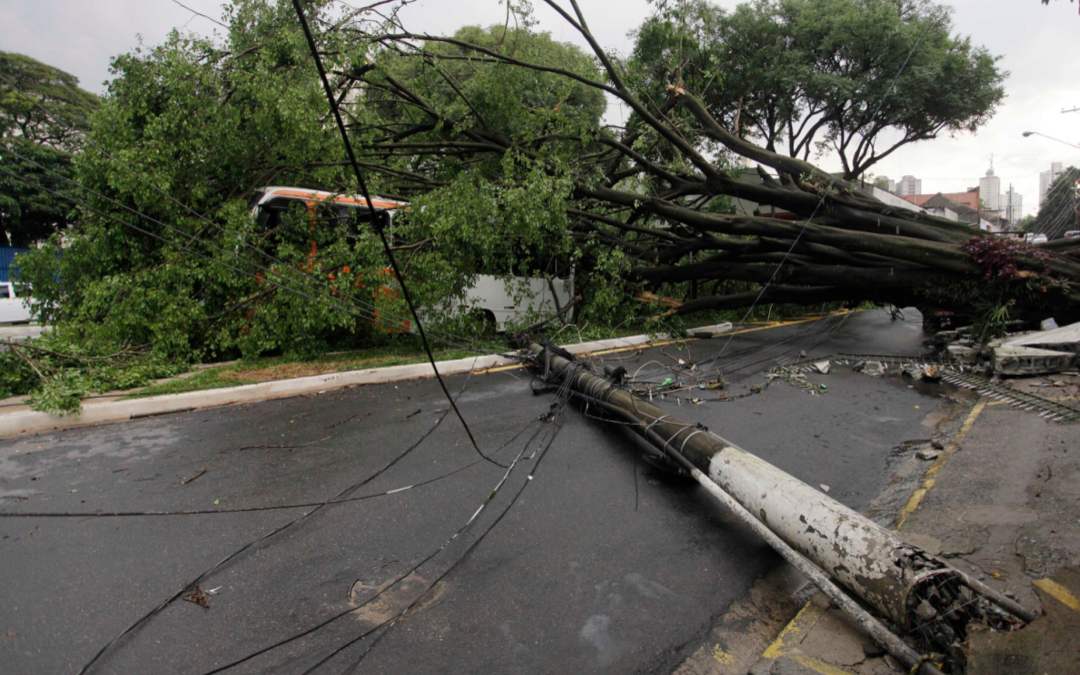
While it’s a no-brainer to ensure data is safe from the black hats out to steal your valuable data, it’s just as important to make sure it’s protected against the devastating consequences that natural disasters pose to you and your clients.
Key Takeaways
- Data security is not only about protecting against hackers and bad actors. Natural disasters pose an equally devastating threat to data integrity, and businesses that plan only for cyber threats are leaving a significant vulnerability unaddressed.
- Dropbox’s decision to physically unplug an entire data center near the San Andreas Fault to test disaster readiness is a masterclass in proactive preparedness, demonstrating that the best disaster recovery plans are built and tested long before disaster actually strikes. A successful disaster readiness test looks anticlimactic by design.
- The smoother the failover, the better the preparation, and businesses that invest in thorough disaster preparedness planning before a crisis will always outperform those scrambling to respond after one.
Cloud file storage service rockstar, Dropbox, had this same thought when they realized their central data center in San Jose, CA, was uncomfortably close to the San Andreas Fault (and as we learned back in 2015 from The Rock’s movie of the same name, that’s not good).
In the words of Dropbox’s ace team, “In a world where natural disasters are more and more prevalent, it’s important that we consider the potential impact of such events on our data centers.” But how can you make sure you’re prepared for the only-somewhat-predictable?
Simple—unplug the whole system.
And that’s exactly what Dropbox did! After a less than successful attempt at another center in Dallas, engineers were able to run a triumphant test in San Jose with no impact on global availability. “Yeah, we know, this probably sounds a bit anticlimactic. But that’s exactly the point! Our detail-oriented approach to preparing for this event is why the big day went so smoothly,” the company explained.
Check out more details about how they did it right here.
Don’t let Mother Nature catch you off guard. Schedule a call with one of our Inteleca engineers to discuss your data storage and disaster preparedness solutions.
FAQs
Which steps are required to protect a business’s computer systems and data from natural disasters?
Protecting business data from natural disasters requires a layered approach starting with identifying the physical and environmental risks specific to your infrastructure’s location, including proximity to fault lines, flood zones, and areas prone to power grid instability. From there, businesses need to implement geographic redundancy by replicating critical data across multiple data centers or cloud environments located far enough apart that a single regional event cannot take all copies offline simultaneously. Failover systems must be properly configured and tested under realistic conditions, recovery time objectives must be clearly defined, and the entire plan must be documented and accessible to the people responsible for executing it under pressure. Organizations managing sensitive client data also need to ensure their disaster preparedness strategy aligns with compliance requirements under regulations like GDPR and HIPAA, as a natural disaster does not pause regulatory obligations.
Why is it important to have a disaster recovery plan?
Without a tested disaster recovery plan, a single catastrophic event whether it is a natural disaster, power failure, or hardware failure can take weeks to recover from, costing businesses millions in lost productivity, damaged client relationships, and potential regulatory penalties. A disaster recovery plan defines exactly how systems will be restored, who is responsible for each step, and what the acceptable recovery time is before operational impact becomes critical. The Dropbox example illustrates why proactive planning matters. Their successful San Jose failover test went smoothly precisely because the plan was built, documented, and tested long before a real disaster forced their hand. Businesses that store sensitive data or operate in uptime-critical industries can read more about how IT infrastructure resilience and proactive maintenance strategies work together to minimize recovery time when disruptions occur.
What is sufficient testing for data center disaster recovery?
Sufficient disaster recovery testing goes well beyond reviewing a document or running a tabletop exercise. It involves actually simulating a failover event under conditions as realistic as possible, verifying that backup systems activate as expected, confirming that recovery time objectives are met, and documenting any gaps that emerge during the test so they can be addressed before a real event occurs. Dropbox set the benchmark by physically unplugging an entire data center to verify that global availability was unaffected, which is exactly the kind of controlled, real-world validation that separates genuine preparedness from assumed preparedness. Businesses running hybrid or multi-cloud environments should test failover across every component of their distributed network architecture to ensure no single infrastructure change has introduced a new vulnerability to recovery pathways that previously tested clean.
How often should disaster recovery plans be tested?
Disaster recovery plans should be tested at minimum once a year, with more frequent testing for organizations in industries where uptime is critical such as finance, healthcare, and e-commerce. Beyond scheduled annual testing, plans should be retested after any significant infrastructure change including cloud migrations, hardware upgrades, network redesigns, or changes to data storage architecture, as updates to one part of the system can introduce new failure points in recovery pathways that previously performed well. Organizations that treat disaster recovery testing as a one-time setup rather than an ongoing operational discipline consistently take longer to recover when real events occur, while those with regularly tested and updated infrastructure restore operations faster and with significantly less financial and reputational damage.