Why Tossing Hardware Out Isn’t a Viable Option
No matter how great the quality of your hardware, all equipment has a shelf life. Whether your equipment breaks or just becomes obsolete, there will come a time when you need to dispose of it – but how?
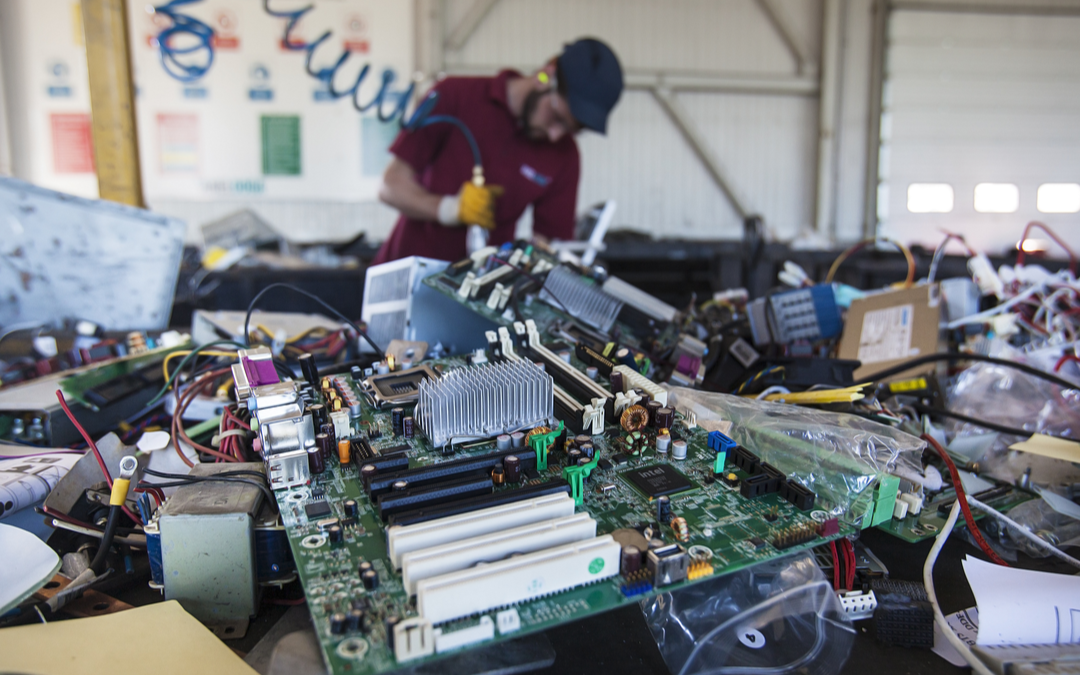
If Captain Planet taught us anything in the 90’s, it’s that simply tossing trash in landfills has a devastating effect on the environment. Discarded electronics, or e-waste, cause even greater damage as these items often contain hazardous materials like lithium, copper, palladium, lead and cobalt or mercury.
If equipment is not properly disposed of, these harmful materials can wreak havoc as they seep into the earth and water supplies.
Key Takeaways
- All hardware has a shelf life, and simply discarding it in landfills is not a viable option as electronics contain hazardous materials including lithium, lead, mercury, and cobalt that seep into soil and water supplies when improperly disposed of.
- Recycling is a responsible option for e-waste disposal but repurposing and refurbishing retired hardware is a better choice on both environmental and financial measures, eliminating the resource-intensive recycling process entirely by keeping functional hardware in active use.
- ITAD is far more than pickup and disposal. It is a start-to-finish process designed to extract maximum financial and environmental value from retired equipment through refurbishment, remarketing, and responsible recycling as a last resort.
- Many businesses unknowingly store significant recoverable value in unused hardware sitting in storage closets, and partnering with an ITAD specialist is the most efficient way to identify and realize that value without the burden of doing the research independently.
- Repurposing retired hardware delivers a double financial benefit by reducing disposal costs and lowering procurement spend on new equipment, making it the smartest option for both the planet and the bottom line.
Recycling Your Tech
When pondering the best, most eco-friendly way to dispose of your unwanted tech equipment, your first thought is probably to recycle it.
Recycling is a great option for discarding your e-waste. While it’s not as simple as tossing your tech equipment into the blue bin with the cardboard, it’s possible for e-waste to be disposed of in a way which ensures those elements don’t further contaminate the environment.
It just takes a little research to find the proper place to take these items. Here’s a great resource to help you figure out how to recycle your old tech products.
And don’t forget, you can also donate some electronics (think old laptops or cell phones) to schools or other organizations who would be thrilled to have them!
What About the Option to Repurpose Hardware?
While there are two very obvious ways to go when it comes to discarding your unwanted tech ( taking it to the appropriate recycling center or donating it), those aren’t the only choices you have.
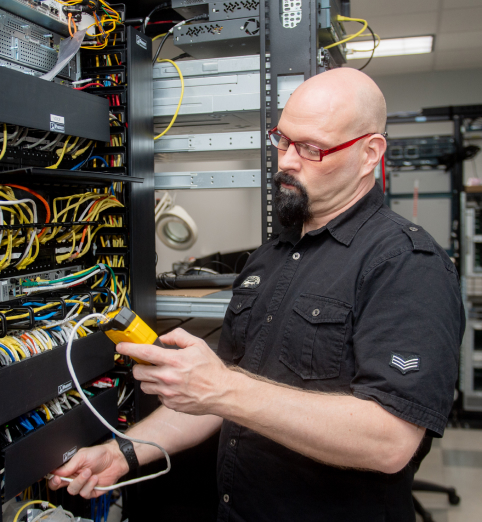
There’s always the option to refurbish and repurpose your old tech equipment through IT Asset Disposition. As you probably know, ITAD is the practice of properly decommissioning and disposing of hardware and electronic devices.
However, ITAD is way more than the picking up and disposing of your unwanted stuff. It’s a start-to-finish process to get the most value out of obsolete equipment while limiting the negative environmental fallout.
Repurposing Hardware is Rewarding in More Ways than One
As ITAD professionals, sustainability and an understanding of the environmental impact of improper IT asset disposal is always on our minds. Reusing outdated equipment is one of our best tools to preserve our planet.
It’s also a smart financial move for your business!
When your business takes the initiative to refurbish and reuse older software, you can save money on both the disposal of old equipment and the purchase of new gear while building a more sustainable business.
Speaking Of Saving Money
So, you can’t just throw your old equipment in the trash, but who has time to do the research and leg work necessary to recycle your IT junk? Into the creepy storage closet next to the breakroom it goes.
You might not realize it, but there’s tremendous value in your dust-collecting hardware.
It may seem daunting, but with a little time and effort (or a little help from an ITAD specialist), you can actually recover value on your otherwise unwanted tech.
To Recycle or Repurpose: That Is the Question
It’s a no brainer that recycling is the simpler option when it comes to equipment disposal, but is it the best option? While it does reduce some negative impact on the environment, it’s not a completely flawless practice.
Recycling electronics is an intense process due to how much equipment and many resources are needed to properly process the harmful materials needed to create them. In the end, repurposing and reusing your cast-off hardware is better for both the planet and your bottom line.
Repurposing your old hardware helps protect the environment while supporting your business at the same time. Schedule a call with one of our engineers today to get more value and life out of your gear.
FAQs
Can I just throw away an old computer?
No. Throwing away an old computer in regular waste is both environmentally harmful and a serious data security risk. Electronics contain hazardous materials including lead, mercury, lithium, and cobalt that leach into soil and groundwater when deposited in landfills, contributing to the toxic waste crisis that already sees e-waste accounting for 70% of all toxic waste in the US despite representing a fraction of total waste volume. Beyond environmental harm, hard drives and storage components on discarded devices can be recovered and read by anyone who gains access to them, making improper disposal a potential data breach waiting to happen. The responsible alternatives are recycling through a certified facility, donating functional devices to schools or nonprofits, or working with a certified ITAD provider that handles secure data destruction, refurbishment, and compliant disposal as a single managed process.
What happens to electronics in landfills?
Electronics deposited in landfills slowly release toxic heavy metals including lead, mercury, cadmium, and lithium into surrounding soil and groundwater as they break down, contaminating water supplies, disrupting ecosystems, and contributing to long-term public health risks in nearby communities. The World Health Organization has identified e-waste as a modern humanitarian crisis, with millions of children and adults negatively impacted by exposure to these materials through informal disposal and recycling sites. On a broader scale, improperly landfilled electronics also release greenhouse gases that contribute to global carbon emissions, working directly against the corporate sustainability goals many businesses are actively trying to meet.
What do I do with old computers and servers at my business?
Old computers and servers at your business should be assessed for their highest remaining value before any disposal decision is made. Equipment still functional for your needs can be redeployed internally, while hardware that has been outgrown may still hold strong secondary market value through refurbishment and remarketing to organizations with lower performance requirements. Devices beyond recovery should go through a certified ITAD process that includes secure data destruction with documented certificates, compliant recycling of hazardous components, and a full chain of custody report for audit purposes. Businesses that have retired hardware sitting in storage are often sitting on recoverable capital that can be reinvested into IT infrastructure upgrades rather than being written off as a sunk cos