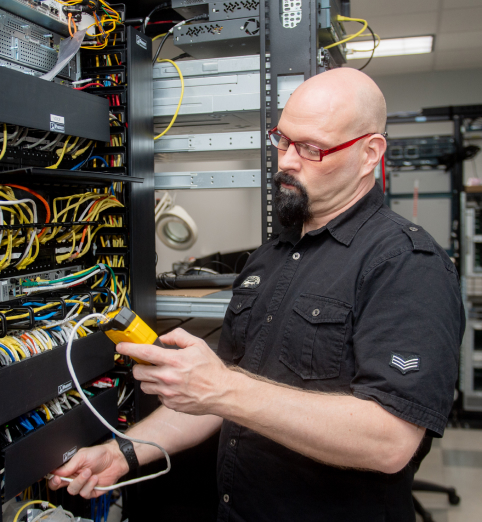
There is nothing quite like new IT gear. And whether it is brand new, or secondary market, the excitement of the possibilities and solved challenges can be intoxicating. Of course, as I wrote that sentence, I realized that some may find that a tad bit geeky on my part—but so be it.
However, with new gear also comes the perils of the modern age. With technology changing at such a rapid rate, ensuring that new equipment is configured and installed properly to the latest standards can be a challenge and a potential minefield unto itself.
Key Takeaways
- Improperly configured IT equipment poses two distinct risks: obvious operational failures that are typically self-identifying and can be troubleshot quickly, and hidden cybersecurity vulnerabilities that may allow attackers to operate undetected while everything appears to be running smoothly.
- The scope of modern IT departments has expanded so significantly that no internal team can realistically handle every aspect of equipment configuration and installation alone, making partnerships with specialized experts essential rather than optional.
- A proven configuration and installation process should remove unnecessary functionality, prevent unauthorized system changes, prioritize widely supported software, and avoid fragmented point solutions that create long-term security and management gaps.
- Establishing strong security knowledge, ongoing education, and clear policies alongside a structured configuration process creates a foundation for accountability and sustainability across an organization’s entire IT infrastructure.
- Starting IT projects with rigorous configuration and installation standards is just as important as any other stage of the process, since a strong foundation prevents the kind of silent vulnerabilities that can compromise a network long before any obvious symptoms appear.
At its core, IT networking equipment is the lifeblood of any organization. Poor configuration and installation can impact productivity through a multitude of processes. However, when those types of issues arise, in many ways they can be self-identifying—meaning that, at that moment, it either works or it doesn’t. If it doesn’t, it can then be assessed and fixed with good troubleshooting skills and a little bit of luck.
But that’s not the biggest issue—not by a long shot. Poorly configured IT gear can lead to potential cybersecurity threats that may have little to no outward impact on the more obvious processes running day to day. In other words, everything could be running smoothly while simultaneously allowing nefarious entities to steal highly valuable information—or worse.
This is the point where having proven configuration and installation processes in place is paramount for success. Easier said than done, though—right?
It seems that, more often than not, I am sticking up for IT departments these days because their job and the expectation of what they can accomplish can be highly misrepresented. Gone are the days of IT being able to accomplish any IT-related task, not because they are not good at their job—quite the contrary. It’s simply that the span of IT is now so great that the role of that department is to manage IT infrastructure in a professional manner while ensuring that present and future IT needs are addressed—a situation far removed from the good ol’ days, when IT did everything for everyone.
Today, IT departments need to partner with experts that can help configure and maintain equipment that promotes both longevity and security. It’s this scenario that will create a unified approach to technology builds, establishing a baseline that is both measurable and manageable, a process where accountability and sustainability meet.
For instance, having a proven process that removes unnecessary functionality, curbs unauthorized changes to systems and equipment, ensures the use of widely supported software, and avoids so-called “point solutions” is just the beginning. Pair that process with in-depth security knowledge, good education, and policies that address potential security threats and more, and the organization will have a foundation that will foster success at all levels.
Like any endeavor, starting off on the right foot enables everything to move forward more smoothly. And, in a day and age where IT-related risks are high, the starting line is as important as the finish line. No one wants to see their IT gear or infrastructure fail; furthermore, no one wants to open up their network to a world of criminals.
And remember, not all lights blink red when something is wrong, though I do wish that a 15 Minutes to Minimum Safe Distance light could be installed but, again, it might make me nervous.
FAQs
Why is secure configuration management important in cybersecurity?
Secure configuration management is important because misconfigured systems can create serious cybersecurity vulnerabilities that have zero visible impact on daily operations, meaning attackers can exploit these gaps while everything appears to be running perfectly fine on the surface. Unlike an operational failure that immediately signals something is wrong, security misconfigurations often go completely undetected until a breach has already occurred, similar to the kind of quiet, undetected exposure covered in Inteleca’s breakdown of common causes of data breaches. Establishing a proven configuration management process that removes unnecessary functionality, prevents unauthorized system changes, and prioritizes widely supported software gives organizations a measurable, manageable security baseline rather than leaving critical infrastructure exposed to silent risk.
Why is it important to correctly configure software?
Correctly configured software directly determines whether a system operates securely or unintentionally exposes vulnerabilities that bad actors can exploit. Poor configuration doesn’t always cause obvious operational problems. In fact, a system can run smoothly for daily users while simultaneously allowing unauthorized access to sensitive data behind the scenes, which is part of why proper physical and digital security measures need to work together rather than being treated as separate concerns. This is why relying on widely supported software, avoiding fragmented point solutions, and following a structured configuration process matters just as much as the hardware itself.
What equipment is needed for cybersecurity?
Effective cybersecurity relies on properly configured networking equipment including firewalls, routers, and switches set up according to current security standards, along with access control systems and monitoring tools that can detect unauthorized changes or suspicious activity. Just as important as the hardware itself is ensuring that equipment is installed and configured correctly from the outset, since even the most advanced security tools can leave gaps if improperly set up. Businesses managing remote or hybrid teams should also review Inteleca’s guidance on maintaining security when employees work remotely, since equipment configuration standards need to extend beyond the office to every device accessing the network.
How does a poor network configuration represent a security threat?
A poorly configured network can create hidden entry points for attackers that have no visible effect on day-to-day operations, meaning a business could be functioning normally while sensitive data is actively being accessed or exfiltrated without anyone noticing. Common configuration risks include unnecessary functionality left enabled, unauthorized changes made to systems without proper oversight, and outdated or unsupported software running on critical infrastructure, all of which tie closely into the broader data breach risks businesses need to actively guard against. Because these vulnerabilities rarely trigger obvious warning signs, businesses need proactive, professionally managed network configuration processes rather than relying on the assumption that smooth performance is proof of security.